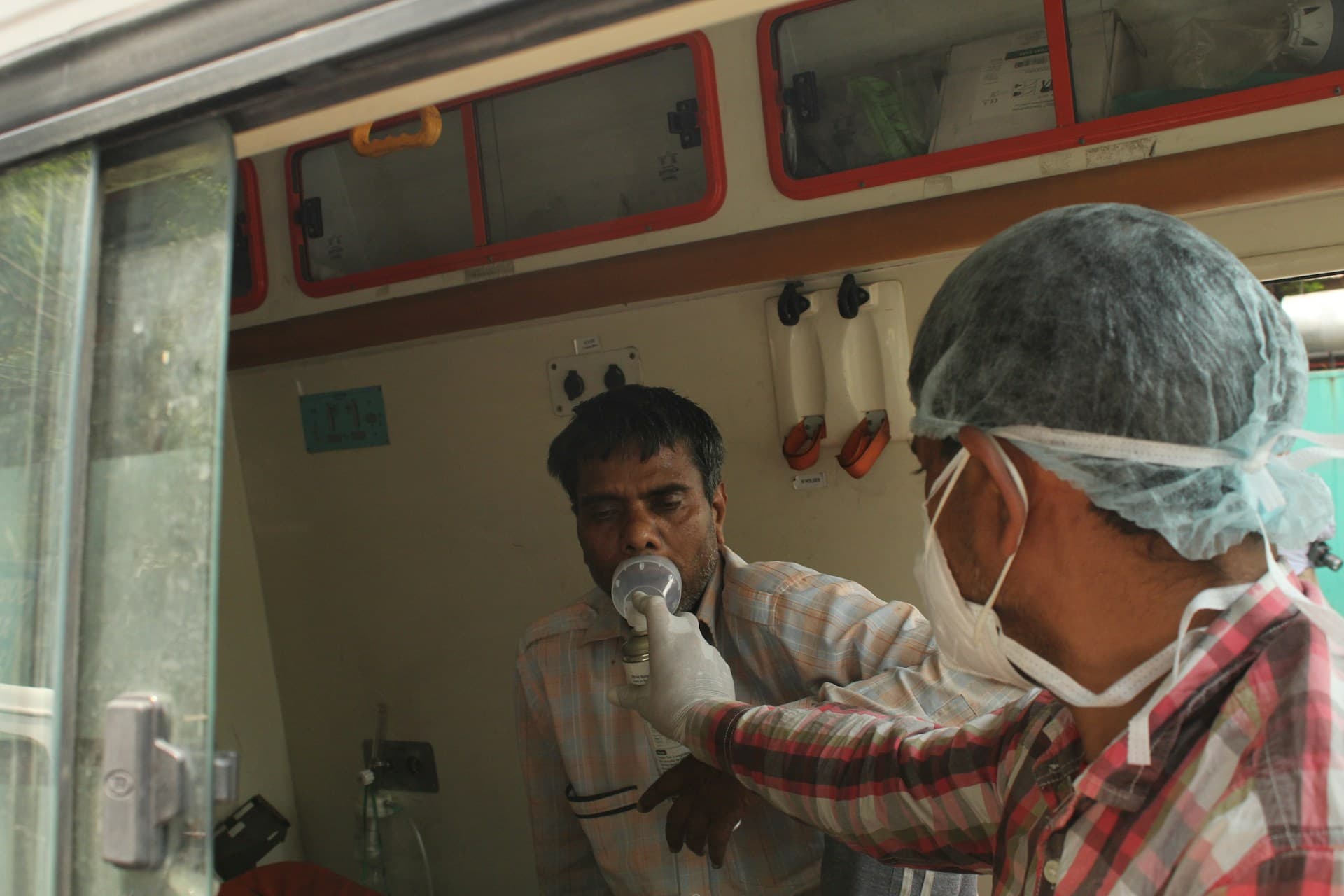
Education does not only shape knowledge and skills — it also influences physical, mental, and social well-being. Schools are becoming health hubs.
In recent years, the relationship between health and education in rural communities has gained increasing attention. Education does not only shape knowledge and skills — it also influences the physical, mental, and social well-being of individuals and communities. In rural areas, schools often serve as hubs where health awareness, preventive care, and community engagement intersect.
Health and Learning Are Inseparable
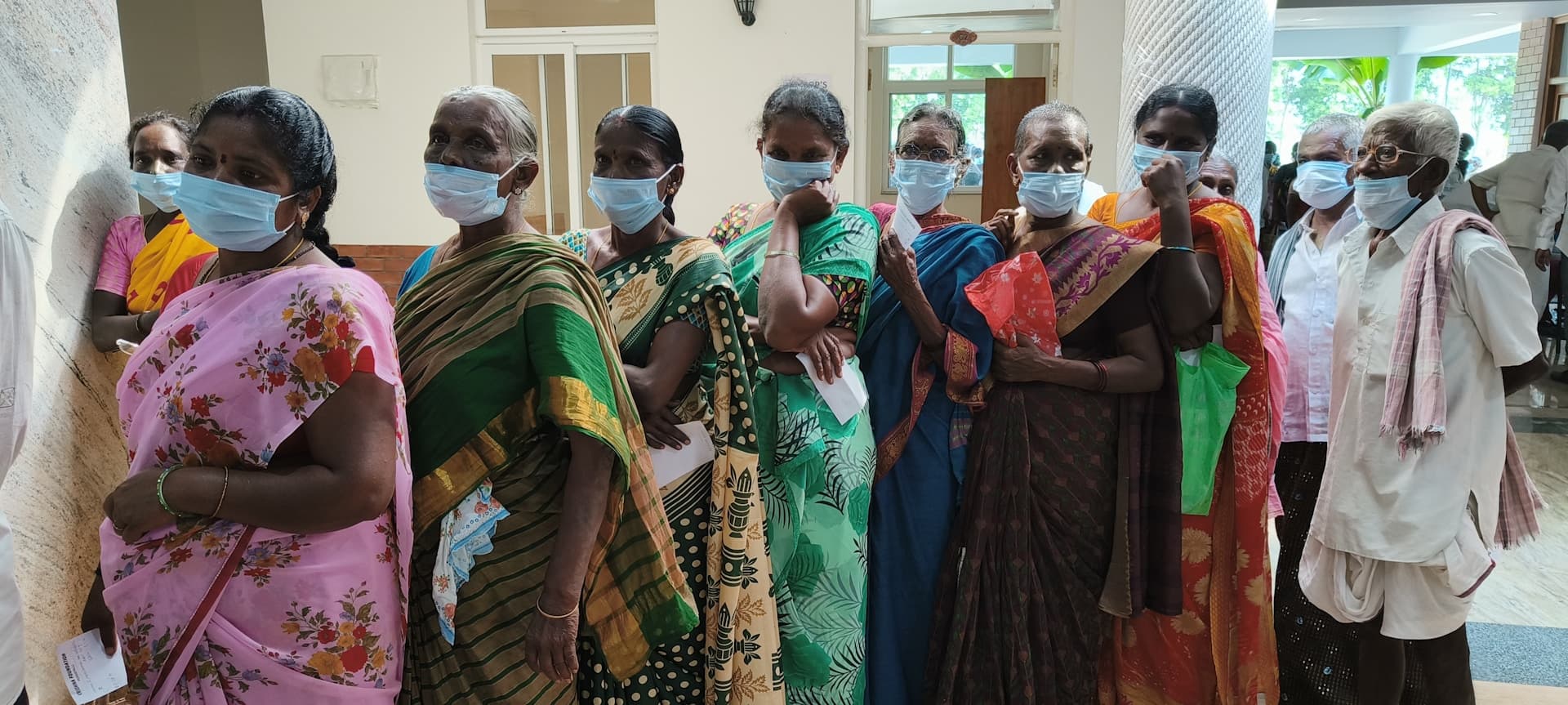
Health and education are closely connected. When children are healthy, they are more likely to attend school regularly, concentrate better, and achieve improved academic results. However, rural communities often face challenges such as malnutrition, poor sanitation, and limited access to healthcare, which directly affect students' ability to learn.
One major trend is the integration of health education into the school curriculum — topics such as nutrition, hygiene, sanitation, and disease prevention are now being taught alongside traditional subjects. Schools are also becoming access points for basic healthcare services like health check-ups, vaccinations, and counseling through school-based health service programs.
Digital Health in Villages
Digital technology is gradually transforming rural education and health awareness. Mobile applications, telemedicine platforms, and digital learning tools are being used to spread health information and provide access to healthcare professionals — enabling rural students to access knowledge and services previously limited to urban areas.