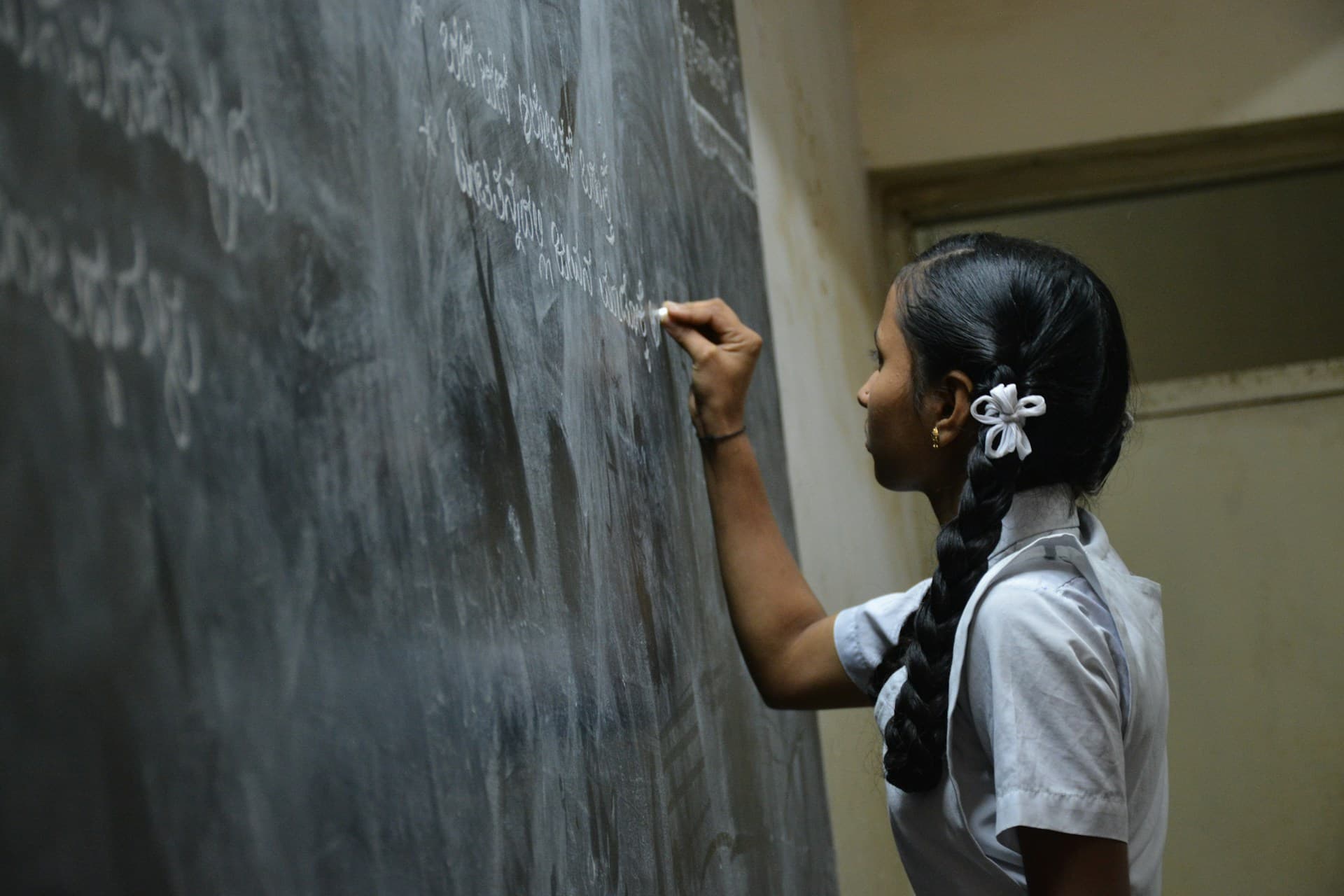
Poverty in rural communities is rarely caused by a lack of effort — it's caused by a lack of opportunity. And opportunity begins with education.
Poverty in rural communities is rarely caused by a lack of effort. It's caused by a lack of opportunity. And opportunity begins with education. When a child in a rural village does not receive quality education, the consequences ripple across decades — lower lifetime earnings, limited job mobility, increased vulnerability to exploitation, and continued generational poverty.
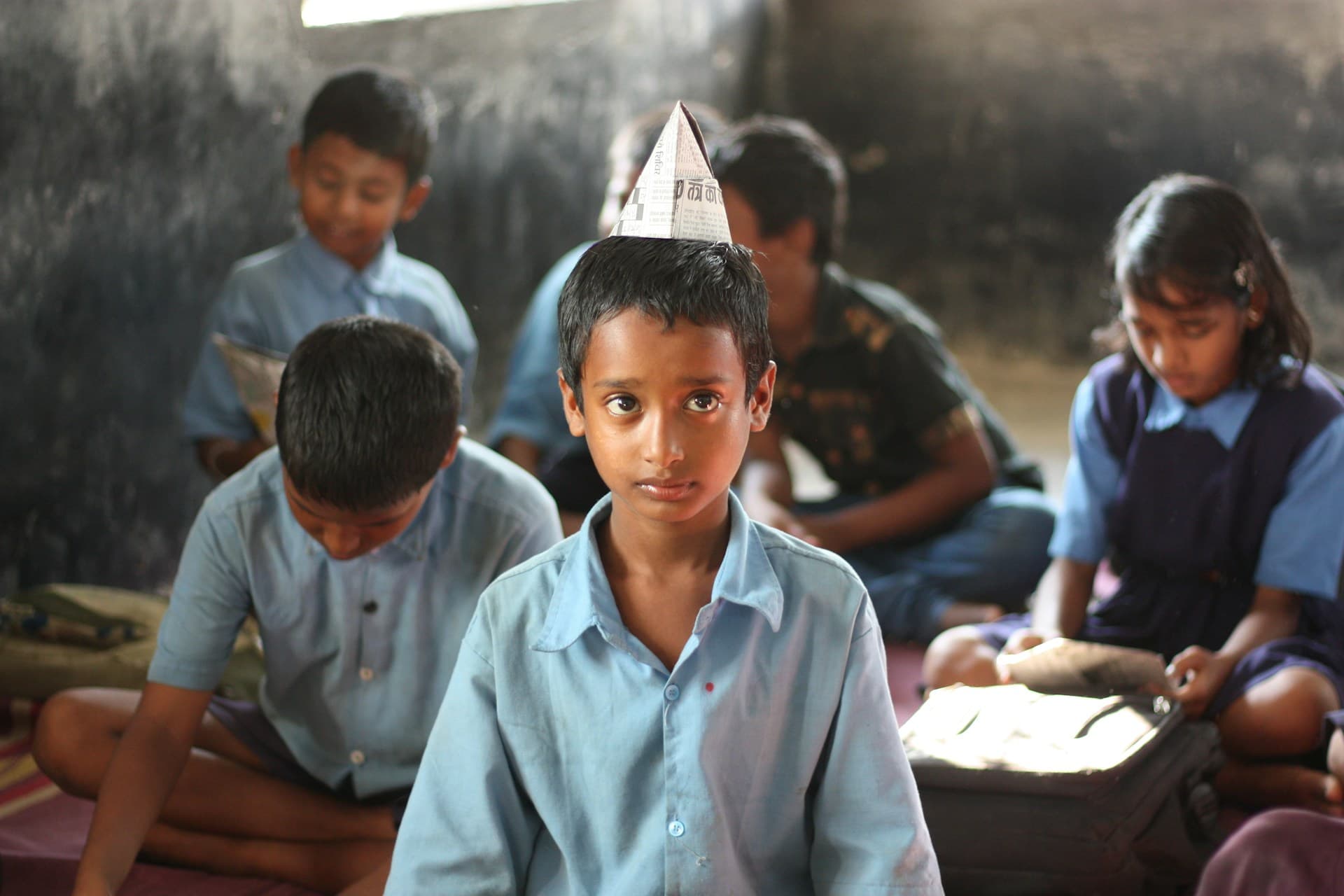
Education as Infrastructure
Education is the highest ROI social investment. Think of it as infrastructure. Just like roads connect markets, education connects people to opportunity. Studies across developing economies consistently show that each additional year of schooling increases earning potential, educated youth contribute more productively to local economies, and communities with higher literacy attract more development.
RDIF focuses on three pillars: foundational literacy and numeracy — because without basics, higher learning collapses; digital readiness — ensuring rural children are not excluded from modern workforce demands; and retention and mentorship — keeping children in school through consistent engagement.
The Ripple Effect
When you educate a child, you are not just helping an individual. You are strengthening a workforce, expanding local economies, reducing dependency, and increasing community resilience. Education is the starting point of sustainable rural development.