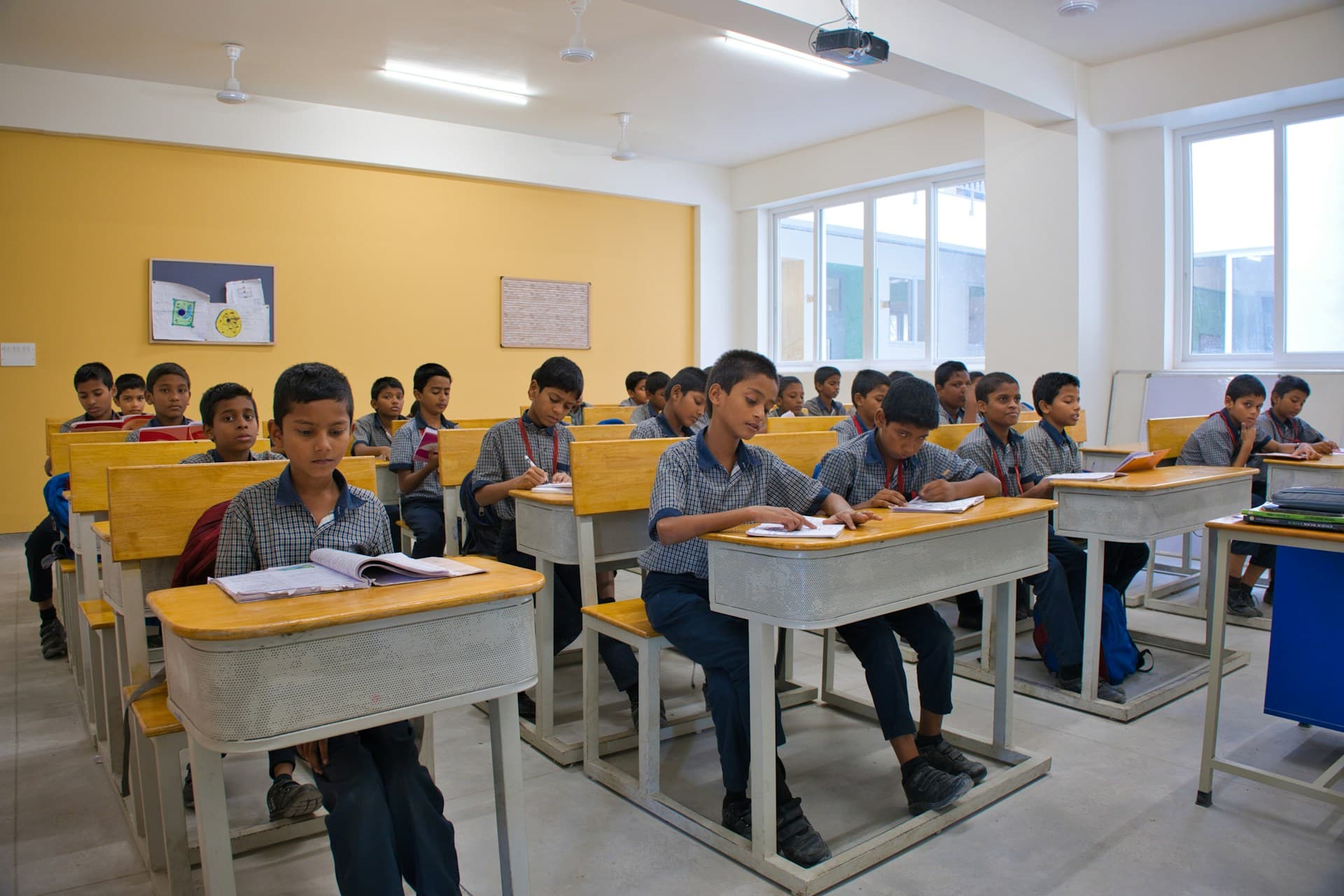
Enrollment rates have improved across India. But here's the real question: are children actually learning? A look at the learning gap crisis.
Enrollment rates have improved across India. But here's the real question: are children actually learning? In many rural schools, students advance grades without mastering foundational skills. A child in Grade 5 may struggle to read a Grade 2 text. A teenager may hesitate to solve basic arithmetic. This is not a schooling problem — it's a learning gap crisis.
Why the Gap Exists
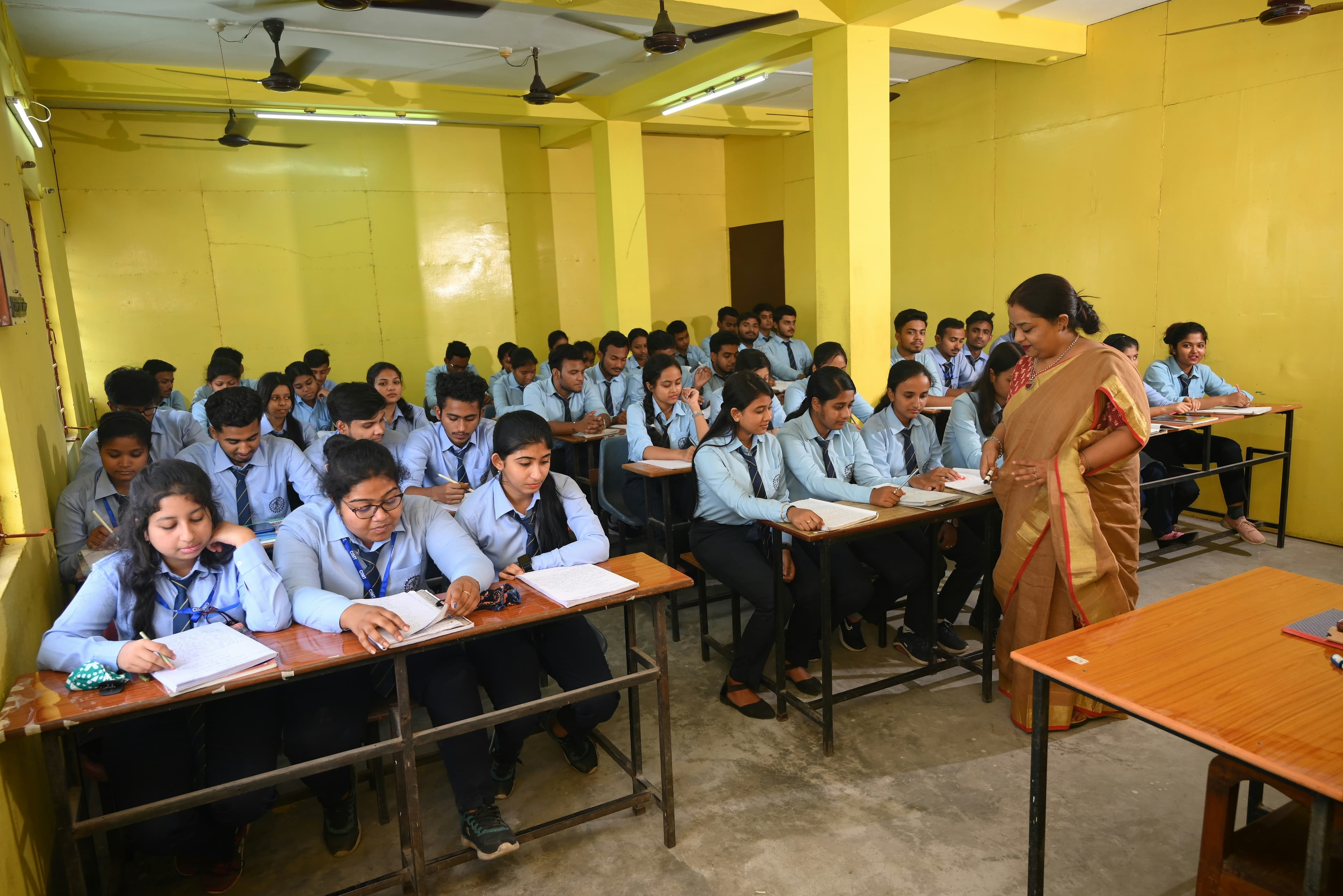
The issue isn't a lack of effort — it's structural. Key factors include overcrowded classrooms, insufficient teacher training, limited individualized attention, language barriers, and first-generation learners without academic support at home. Without early intervention, these gaps widen every year.
When children don't understand lessons, they stop participating. When they stop participating, they lose confidence. When they lose confidence, they disengage — and disengagement leads to dropout. The solution isn't pressure, it's support.
What RDIF Is Doing
Instead of assuming attendance equals progress, RDIF prioritizes measurable learning outcomes through targeted interventions: baseline learning assessments, remedial support programs, activity-based teaching methods, small group mentoring, and digital learning tools. When foundational gaps are addressed early, academic performance improves, students remain motivated, dropout rates decline, and transition to secondary education increases.